
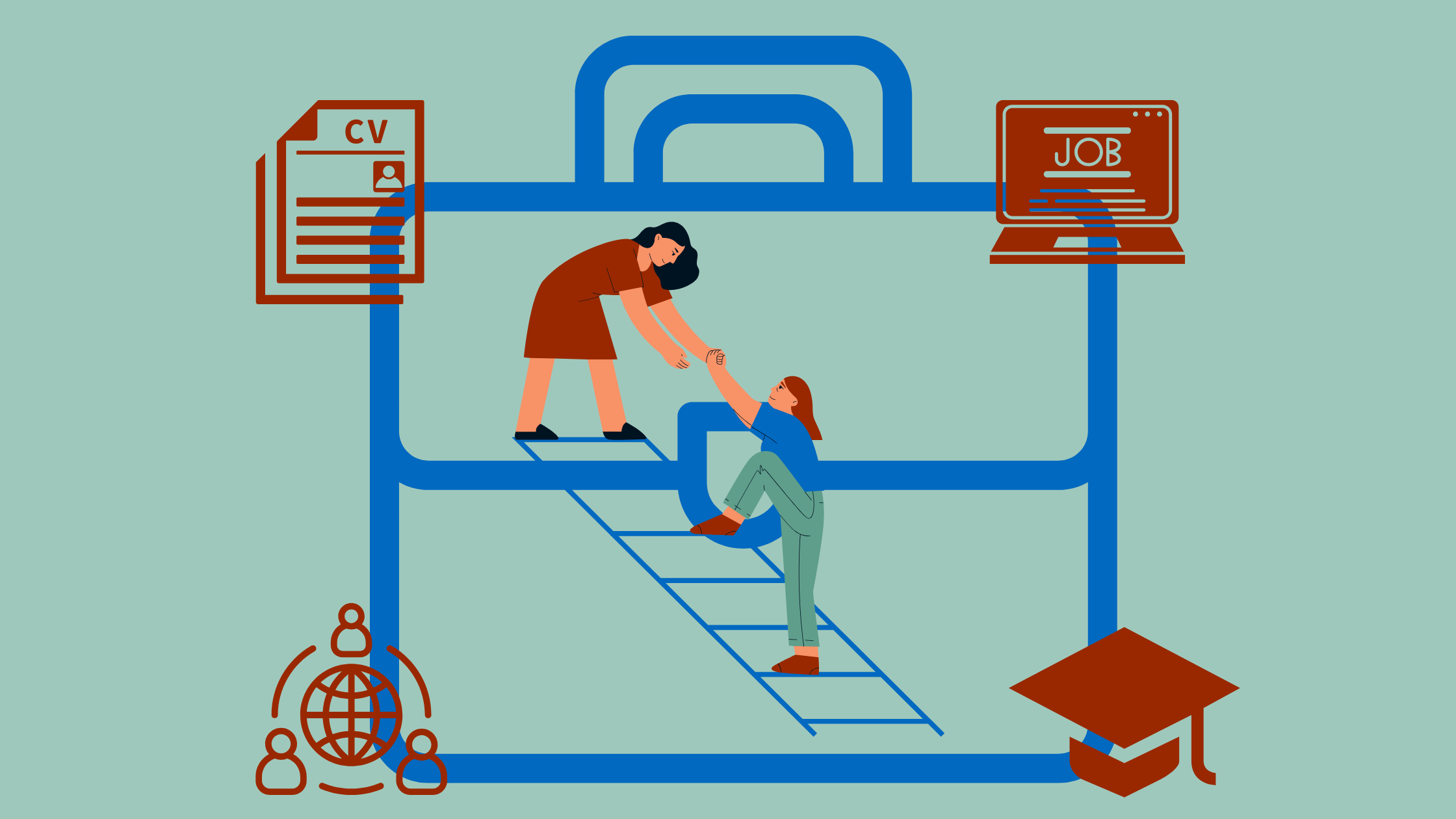
What is a career coach?
A career coach, also known as a career counselor, career advisor or career consultant, is an individual who has experience helping clients grow in their careers. Someone in this role can help you develop valuable skills and strategies to
- Fnd your next job
- Transition into a new career or industry
- Manage career dissatisfaction
- Prepare for a promotion
- Choose an educational/training path
Many career coaches have experience working in human resources or recruiting and they have a variety of academic backgrounds. Some work as freelance coaches, while others work for community organizations, higher education, government agencies or private consulting firms.
When to hire a career coach
Most career coaches offer a wide range of services to help you plan your career. You may consider working with a career coach to help you:
- Define career goals: A career coach can help you determine your goals. Working with a career coach at any point in your career can help determine if you’re on the right path to success.
- Make career decisions: Whether you’re a high school student wondering what to do post-graduation or an experienced individual looking to make a significant career change, a career coach can help you make these decisions.
- Build a network: Along with teaching you essential networking skills, a career coach can connect you with other people in your industry. Since they work with many people, they may be able to help you find your next job or an important connection.
- Choose a new career: If you’re ever feeling unsure of what career to pursue, a career coach can use various tools to help you decide what you like to do. For instance, they might use career assessments to learn about your interests, skills and values and personality.
- Create application materials: Career coaches know how to prepare professional application materials to attract employers’ attention. They can help you improve a resume, cover letter, portfolio or professional website.
- Develop interview skills: A career coach can help as you complete the interview process. Doing mock interviews and getting feedback from a coach can help you improve your interviewing skills to get your next job.
- Grow your confidence: When you want to advance in your career, have a sense of confidence to stay motivated. A career coach can encourage you and help you prepare for meaningful conversations with your manager, such as asking for a raise or promotion.
How to find a career coach
Follow these steps to find and choose the right career coach for you:
Ask your network. You can use your network to help you find a career coach. Ask your friends, family members, colleagues or other individuals in your industry if they’ve worked with anyone they recommend. Using your personal and professional network, you may find a qualified career coach who offers the services you’re seeking.
Contact a career center. College and high school students can benefit from their school’s career services. Many schools offer free career counseling that can be helpful when you’re just starting in your career. See if your career center has any job shadowing, informational interview or internship opportunities. Getting involved in these kinds of programs can help you learn about yourself and your career preferences.
Search online. Looking at online job boards can be a useful way to find a career coach. Once you find a career coach online, do some research to find their website, LinkedIn profile or online portfolio so you can learn more about their coaching style and services. When looking for a career coach online, do plenty of research to ensure they’re legitimate. You can also search online directories and professional associations/networks for a career coach.
Determine your budget. Determine how much you can spend on a career coach to stay within your budget. The cost for a career coach can vary depending on their services, level of experience, certifications and client demand. When looking for someone highly specialized in your field, you may be willing to increase your budget for the help you need. Determine a budget you can reasonably afford while addressing your overall career needs.
Know your needs. Make a list of all the services you want from a career coach. For instance, if you feel you have strong interviewing skills, you may only want help creating better application materials. Likewise, you may want to hire a career coach who can spend a lot of time with you doing mock interviews. Once you know your career needs, you can identify career coaches who offer the services you’re seeking.
Learn about their background. Similar to how a hiring manager looks for candidates who can fulfill their company’s needs, you can look for a career coach with the right background for your career goals. When contacting different career coaches, have them provide you with information about their previous coaching or mentoring experiences. You can ask how long they’ve been working as a career coach or inquire about any relevant certifications they may have.
Ask for a consultation. Before fully committing to a career coach, consider having them meet with you to discuss your needs. This way, you can decide if their coaching style is right for you. If you think they’d be a good fit, you can discuss your needs and determine the next steps for working together.
Qualities of a good career coach
When looking for a quality career coach, make sure they have the following qualifications:
Interpersonal skills
When working with a career coach, you want to choose someone who makes you feel comfortable. You can determine who you enjoy working with the most by interviewing a few candidates. Look for someone with strong interpersonal skills. These include communication, listening, problem-solving, decision-making, empathy and conflict-management skills.
Relevant experience
Rather than seek someone who can give you general career advice, search for a career coach with experience in your specific issue. For job search assistance including networking, interviewing, resumes and cover letters, a career coach with a coaching certificate can help motivate and guide a job seeker. However, a career counselor with a Master’s Degree in counseling might be more helpful when discussing choosing a new career, career satisfaction, work/life balance, and administering and interpreting career assessments. Asking for their resume is a great way to assess if they have the right experience, education and training.
Online presence
Many career coaches have an online presence to demonstrate their expertise as thoughtful leaders in professional development. Check if the candidates you’re interested in hiring have a blog, email newsletter or social media presence. Many have websites listing their success stories and client testimonials, which can be a good sign of their success rate. See what information you can find about a career coach online to determine if they have the coaching style and background you seek.
Flexibility
Working with someone willing to adapt to your learning style can make the process more valuable and enjoyable. A good career coach can be flexible in providing individualized services to meet your unique career needs. Look for a career coach willing to help you create a plan that works for you.
Questions to ask a potential career coach
Here are some questions you can ask a potential career coach to learn more about their background and qualifications:
Can you tell me about times you’ve helped a client find success?
Asking for their success stories can help determine if they have enough experience assisting clients to provide you with guidance and support. This question can help you decide if you both have a similar idea of success. It can also help you learn what this career coach can do for you.
What are your strengths and weaknesses?
Knowing a career coach’s strengths and weaknesses can provide insight into their skill set. Quality strengths include communication, empathy, adaptability and dependability. You may also want to find a career coach who can motivate and help you to work toward your goals. When they discuss their weaknesses, a quality answer shows they’re actively working to overcome them.
Why did you get into career coaching?
This question can help you learn more about a career coach’s intentions. This question can also help you gain insight into their professional background. Finding a candidate who genuinely enjoys helping others improve their careers may be a good sign. You can also ask them about their credentials, and how their training, education and certifications may have prepared them for a role as a career coach.
What kind of coaching strategies do you use?
Learning about a candidate’s coaching strategies can help you determine if their style aligns with what you want from a career coach. Look for someone who has experience using a wide variety of techniques. The more well-rounded they are, the more likely they can adapt to your learning style.
I am happy to discuss your questions and concerns during a free consultation. I wish you the best of luck in finding a career coach that is a great fit for you.
 Mindful Career Guide